Technology has changed our planet and everyday lives over time. It has transformed our lives in unbelievable ways, but here we highlight the many common ways technology is changing our lives and how we learn today. Furthermore, technology has produced incredible tools and resources that have made educational knowledge easily accessible. This allows teachers to enhance their lesson planning and teaching strategies while also being more inclusive of different learning styles. This use of technology will encourage students’ learning and self-esteem while also enabling teachers to move beyond their traditional boundaries. There are two strategies of technology found that I believe are the best examples that show the use of technology to support diverse learning.
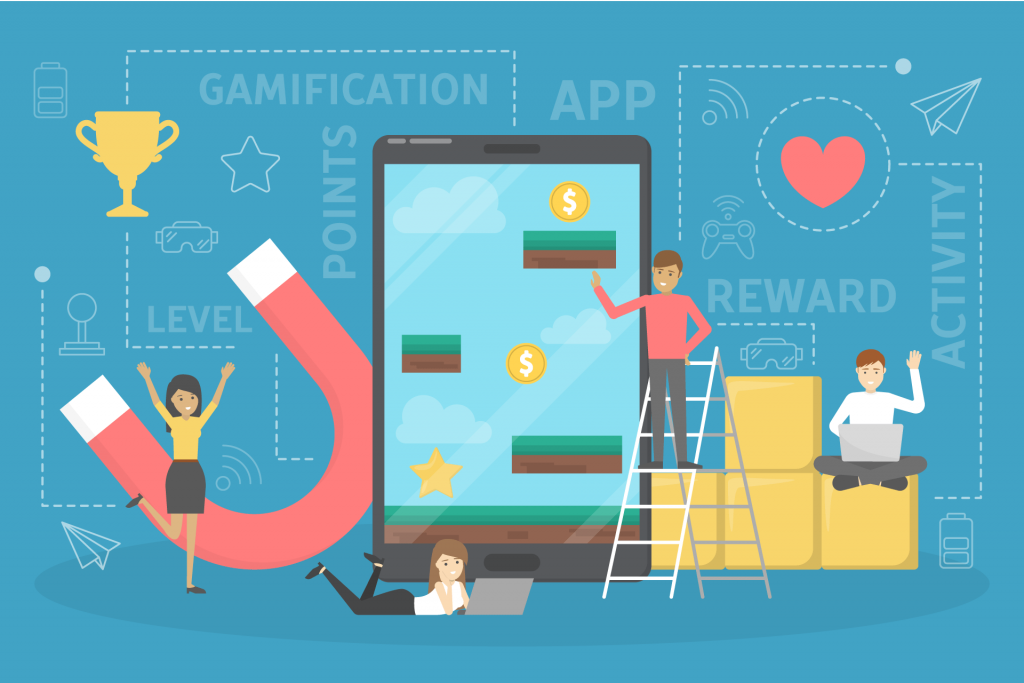
The First technology strategy I found is called “Game-based learning and gamification,” which both try to solve a problem, and motivate, and promote learning using game-based thinking and techniques. Gamification is the process of transforming the learning process into a game by including game characteristics such as point scoring, accomplishment badges, and rules of play. Where collaboration is essential, failure provides valuable feedback for learning, and learning and assessment are closely related. Using a game to aid in learning is known as game-based learning (GBL). Rather than being a full pedagogical system, GBL aims to teach a particular skill or learning objective. It is a technological strategy that enhances the entire learning experience in numerous ways and works in conjunction with both e-learning and conventional teaching approaches. By piqueing students’ attention and motivating them to keep learning, this tactic also seeks to increase satisfaction and engagement. Through the use of game-based tactics and procedures, game-based learning helps to inspire, motivate, and resolve issues. Gaming elements can be incorporated into corporate training programs and student learning modules in a variety of ways. Innovative, inspiring, and thrilling gaming components are combined with learning programs to increase their efficacy using gamification tactics.
Games as a Context for Learning & Using Games to Support Learning
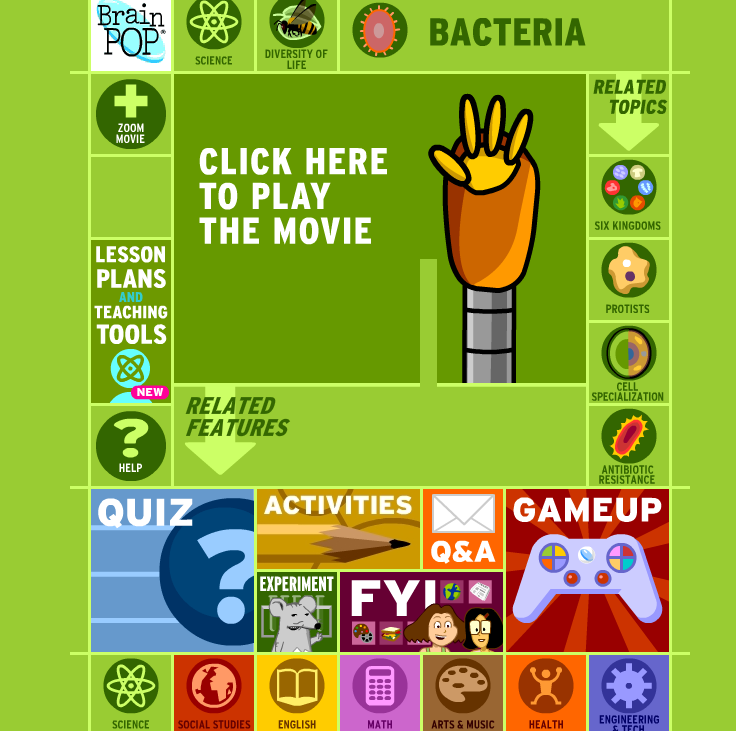
The second technology strategy I found makes use of BrainPoP, an educational website that offers kids in grades K–12 a plethora of videos and quizzes covering a broad range of disciplines. The goal of the website BrainPOP is to facilitate distinction. In addition to a variety of creative tools and activities, such as a movie creator, interactive quizzes, and concept mapping, it offers over 1,000 informative videos on topics that cover all curriculum areas. It is a platform that enables educators to alter their assignments to meet the needs of their students in terms of content, procedure, and product. Additionally, it supports educators in developing adaptable and successful differentiation strategies, especially in remote learning settings. With ease, teachers can differentiate instruction based on subject matter, method of learning, and final result. Teachers can even utilize movies in BrainPOP to diversify their lessons by having students see only a segment of the film, which helps students focus on the right part of the movie and ensures they understand the lesson. This allows for the essential practices for students with disabilities and English language learners to be integrated by teachers. The design of BrainPOP facilitates access and effect for all students by making content, procedure, and product smooth and simple. Where individual students, small groups, or remote learning are made meaningful and successful by using these adaptable differentiation strategies and tactics.